Tree Lopping Service in San Jose, CA
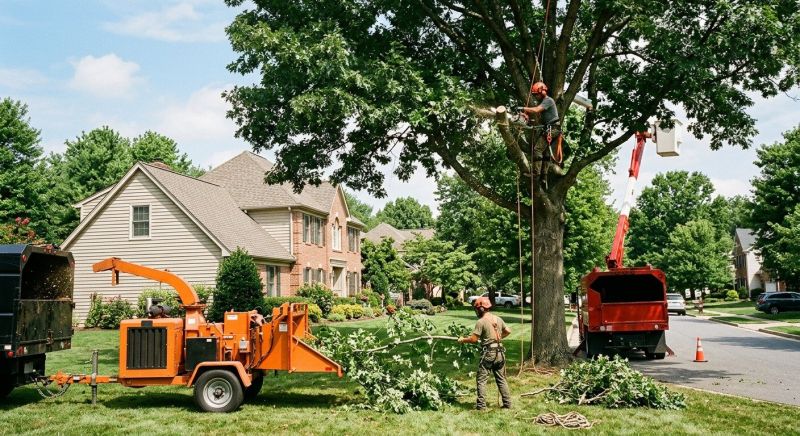
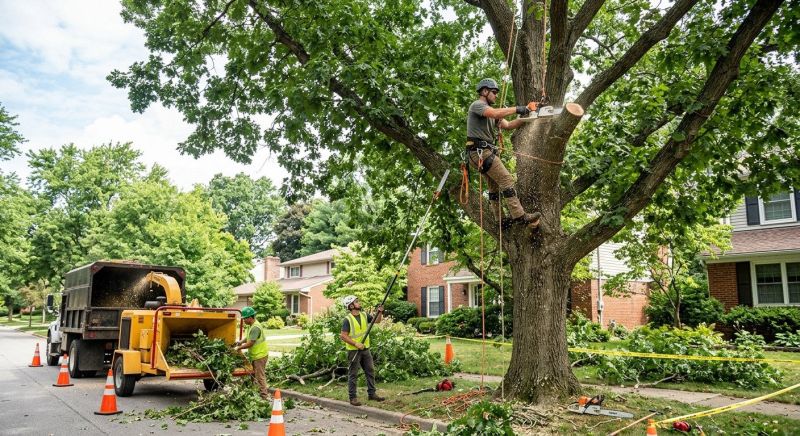
Tree lopping services involve the careful trimming and removal of specific branches or sections of a tree to improve its health, safety, or appearance. This type of project typically includes pruning overgrown branches, removing damaged or diseased limbs, and shaping trees to prevent interference with power lines, structures, or nearby trees. Homeowners often seek tree lopping to maintain property safety, enhance curb appeal, or prepare for landscaping projects, ensuring that trees remain healthy and well-managed.
Before requesting tree lopping, property owners should consider the overall health of the tree, the extent of trimming needed, and any local regulations or restrictions regarding tree work. It’s important to communicate the specific goals for the project, such as removing hazardous branches or improving tree structure, to ensure the work aligns with safety standards and property needs. Proper planning and understanding of the scope can help achieve the desired results while maintaining the integrity of the tree.
Many property owners in San Jose, CA look into Tree Lopping Service for repairs, replacements, upgrades, and appearance-related improvements.
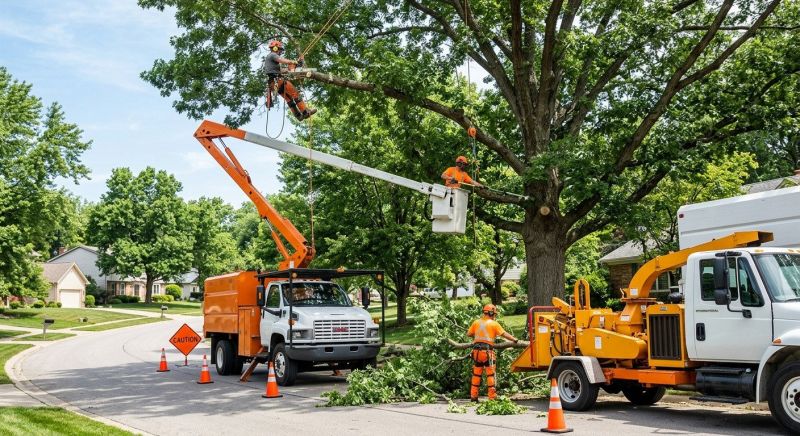
Tree Lopping For Safety
Removing hazardous branches and trees to prevent property damage and personal injury.
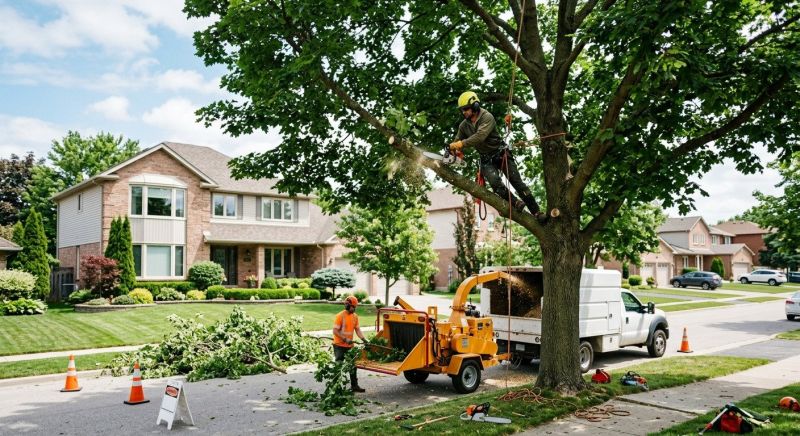
Property Maintenance
Keeping trees healthy and well-shaped to enhance the appearance of residential and commercial areas.
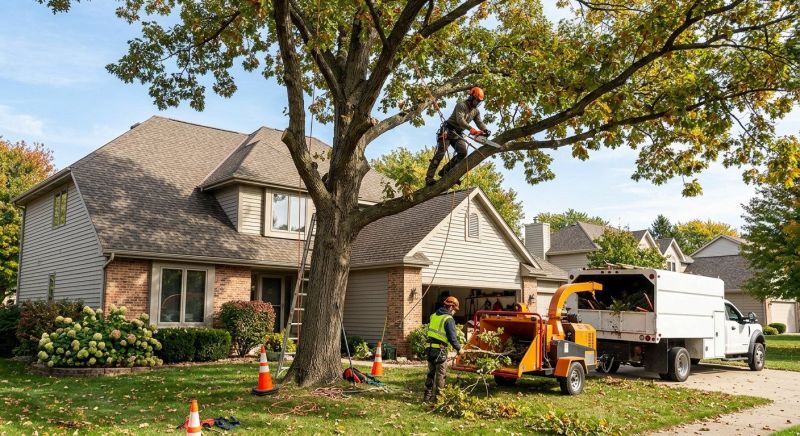
Storm Damage Prevention
Reducing the risk of storm-related damage by strategically pruning and removing vulnerable trees and limbs.
Tree Lopping Service in San Jose, CA
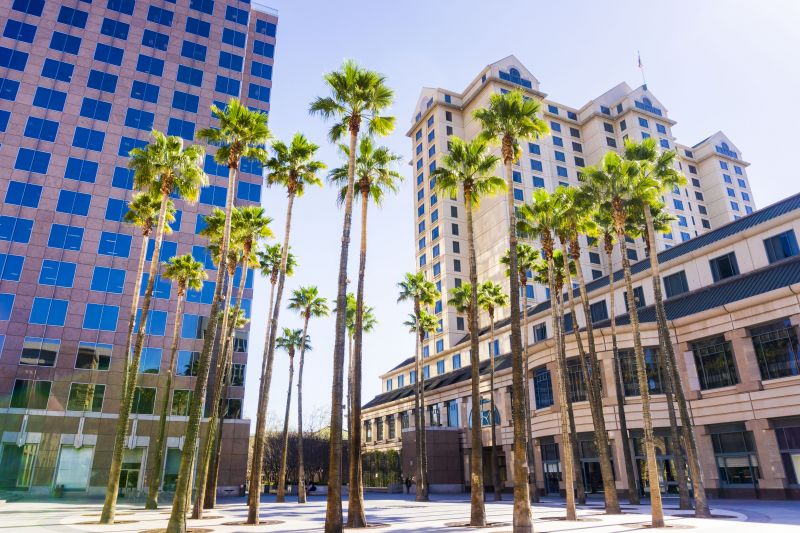
Tree lopping services involve the careful trimming and removal of specific branches or sections of a tree to improve its health, safety, or appearance. This type of project typically includes pruning overgrown branches, removing damaged or diseased limbs, and shaping trees to prevent interference with power lines, structures, or nearby trees. Homeowners often seek tree lopping to maintain property safety, enhance curb appeal, or prepare for landscaping projects, ensuring that trees remain healthy and well-managed.
Before requesting tree lopping, property owners should consider the overall health of the tree, the extent of trimming needed, and any local regulations or restrictions regarding tree work. It’s important to communicate the specific goals for the project, such as removing hazardous branches or improving tree structure, to ensure the work aligns with safety standards and property needs. Proper planning and understanding of the scope can help achieve the desired results while maintaining the integrity of the tree.
Many property owners in San Jose, CA look into Tree Lopping Service for repairs, replacements, upgrades, and appearance-related improvements.
Common Tree Lopping Service Jobs
Tree pruning - shaping trees to promote healthy growth and improve appearance.
Deadwood removal - eliminating dead or diseased branches to prevent decay and hazards.
Storm damage cleanup - removing broken or fallen branches after severe weather events.
Overgrown tree reduction - reducing tree size to prevent interference with structures or power lines.
Hazard tree removal - safely removing trees that pose a risk to property or safety.
Root pruning - trimming roots to prevent damage to foundations or underground utilities.
Tree Lopping Service Questions
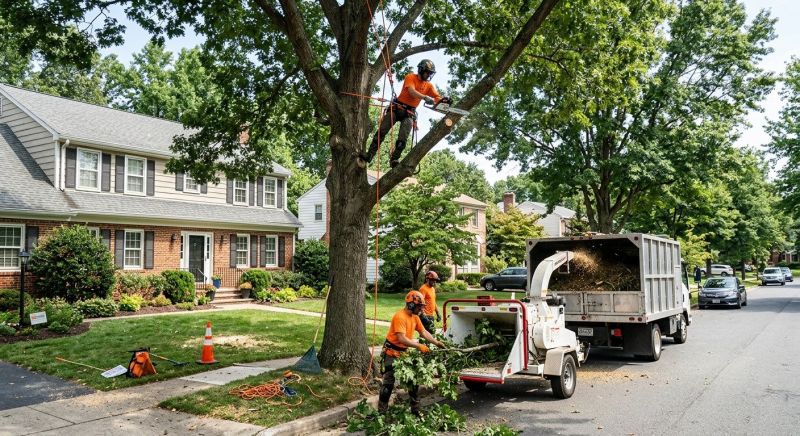
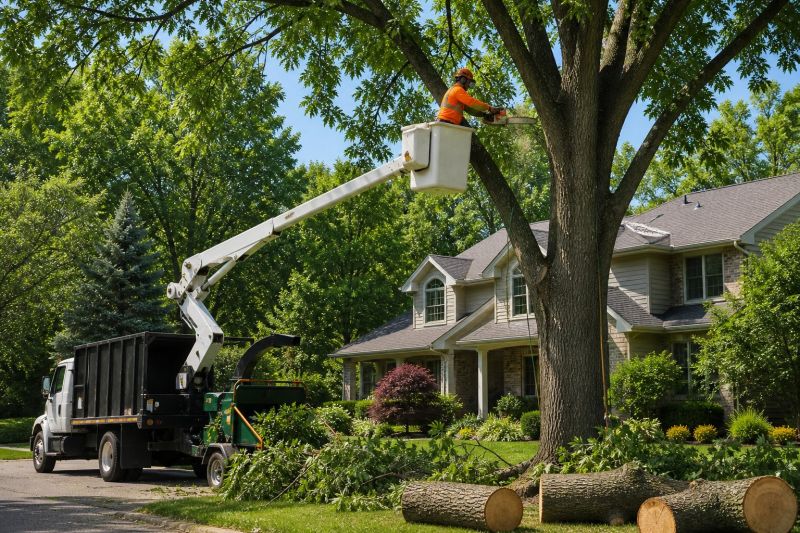
What is tree lopping? Tree lopping involves cutting away large sections of a tree to reduce its size or shape it for safety and aesthetic reasons.
When should tree lopping be considered? It is typically done to remove dead or overgrown branches, improve tree health, or prevent potential hazards.
Are there any risks with tree lopping? Improper lopping can harm the tree or cause safety issues, so it’s important to follow proper techniques and guidelines.
What types of trees can be lopped? Most common types of trees in residential areas can be safely lopped, but the approach depends on the species and condition of each tree.
Request Tree Lopping Service in San Jose, CA
Use the quote form on this page to share the basics of your project and request more information for the type of work you need.